
Neighbourhood picks
Cycling in Nairobi: Real Routes, Road Conditions and Where to Rent a Bike
Nairobi rewards cyclists who pick the right road and the right hour, and punishes anyone who assumes a European-style bike lane will appear.
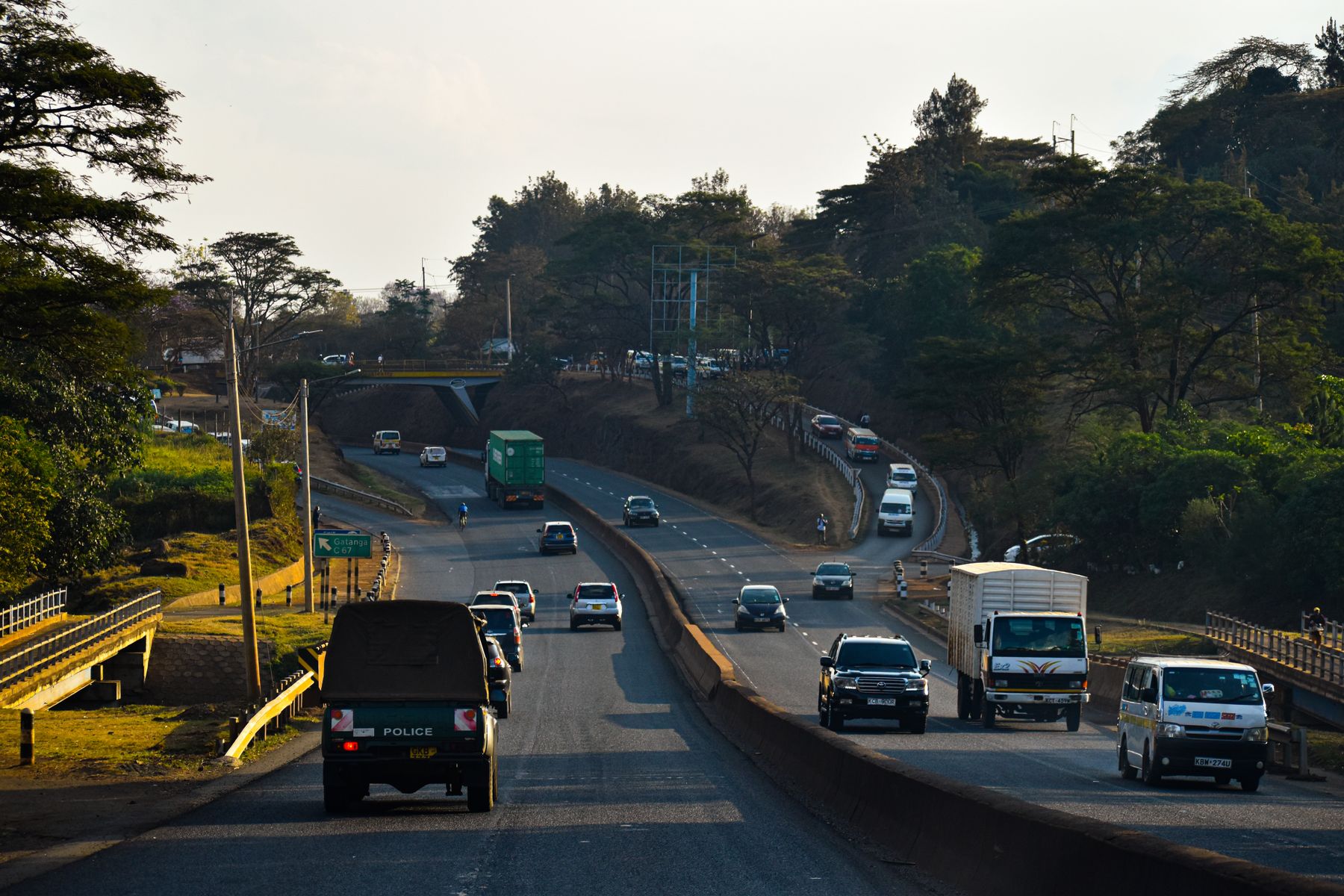
What Cycling in Nairobi Actually Feels Like
Nairobi sits at roughly 1,795 metres, so even a short ride feels harder than the distance suggests, especially in your first two days. The city has no continuous cycle-lane network; instead you get a patchwork. Karen and Langata roads are wide and relatively calm early on Sunday mornings. Ngong Road is fast and unforgiving. The Thika Superhighway is a definite no. Surface quality varies block by block, from smooth tarmac in Westlands to broken edges along sections of Jogoo Road, so a bike with wider tyres and working brakes matters more than a light frame.
Traffic runs on the left, and matatus set the tempo: they stop without warning, overtake on the inside and pull out from lay-bys. Ride predictably, hold your line, and use hand signals early. The safest window is 06:00 to 08:00 on weekends, before the school and commuter rush builds. Weekday evenings after 18:00 are dark and congested; lights and a reflective layer are not optional. Air quality is poorest along the major arteries at peak hours, which is another reason to start early and choose quieter side roads.
Three Routes Worth the Effort
Karura Forest is the most straightforward introduction. The main gate sits off Limuru Road near the Village Market end, entry for cyclists is modest, and the network of fire trails and single-track runs from gentle to genuinely technical. You can ride two hours without touching traffic. Karura is my first recommendation for anyone new to the city, and it links easily to hotels in Westlands, Gigiri and Parklands, all within a 10 to 20 minute drive depending on traffic.
For something longer, the loop through Karen and Langata works well on a Sunday: quiet lanes past the Giraffe Centre area, views toward the Ngong Hills on clear mornings, and coffee stops along Karen Road. Expect 35 to 50 kilometres with real climbing. The Nairobi Arboretum on State House Road is the low-commitment option — small, shaded, flat, and good for an hour with family. Skip the CBD for leisure riding; the streets around Moi Avenue and River Road are for confident, experienced riders only.
Renting, Buying and Gear
Rental is limited but workable. Several tour operators and bike shops around Westlands and Kilimani hire mountain bikes by the day or half-day, typically including a helmet and a basic repair kit; prices sit in the range you would expect for a guided city activity rather than a self-serve rental. Book two or three days ahead, bring your own pedals and shoes if you are particular, and inspect brakes and tyres before you pay. Guided rides are the simplest route for a first visit.
For longer stays, buying a used mountain bike in Nairobi is realistic and often cheaper than repeated rentals; the shops and noticeboards around Ngong Road and Kilimani are the places to look. Bring or buy a good lock, a pump and at least one spare tube — punctures from thorns and roadside debris are common. Carry water; the altitude dehydrates you faster than you notice. A buff or light mask helps on the busier corridors, and a charged phone with offline maps is essential.
Where to Base Yourself
Westlands and Parklands put you closest to Karura and the northern routes, with plenty of hotels from mid-range to international chains, and quick access to the Limuru Road gate. Kilimani and Lavington are quieter, greener and well placed for Karen and Langata loops via Ngong Road, though you will cross traffic to get there. Karen itself is the calmest base if cycling is your main purpose, at the cost of a longer transfer to the city centre and the airport.
If you want one recommendation: book in Westlands for a short trip. You get the easiest Karura access, the widest choice of accommodation and restaurants, and a straightforward run out to Karen on a Sunday. Allow 45 to 70 minutes by road to Jomo Kenyatta International Airport depending on the hour, and avoid scheduling a ride on the morning you fly out. May to August is cooler and dustier; January and February are dry and clear, and the best months for long morning rides.
Questions, answered
Is Nairobi safe for cycling?
On designated trails and quiet suburban roads at off-peak hours, yes, with normal caution. Avoid the CBD and highways, ride in a group where possible, and carry lights. Ask your hotel or guide about current conditions on any specific route before setting out.
Do I need a guide to ride in Karura Forest?
Not strictly — trails are marked and a map is enough for confident riders. A guide helps first-timers find the quieter loops and understand the network. Entry is paid at the gate, and bikes can be hired nearby or brought in.
What should I pack for a Nairobi ride?
A helmet, spare tube, pump, water bottle, light rain shell and sun protection. Mornings are cool at altitude, so a light layer helps. Bring a charged phone with offline maps, and small notes for entry fees and roadside stops.
Doing good is the business: every booking through Stay Nairobi funds one verified tonne of carbon removal — same room, same price, no markup.
Start your search