
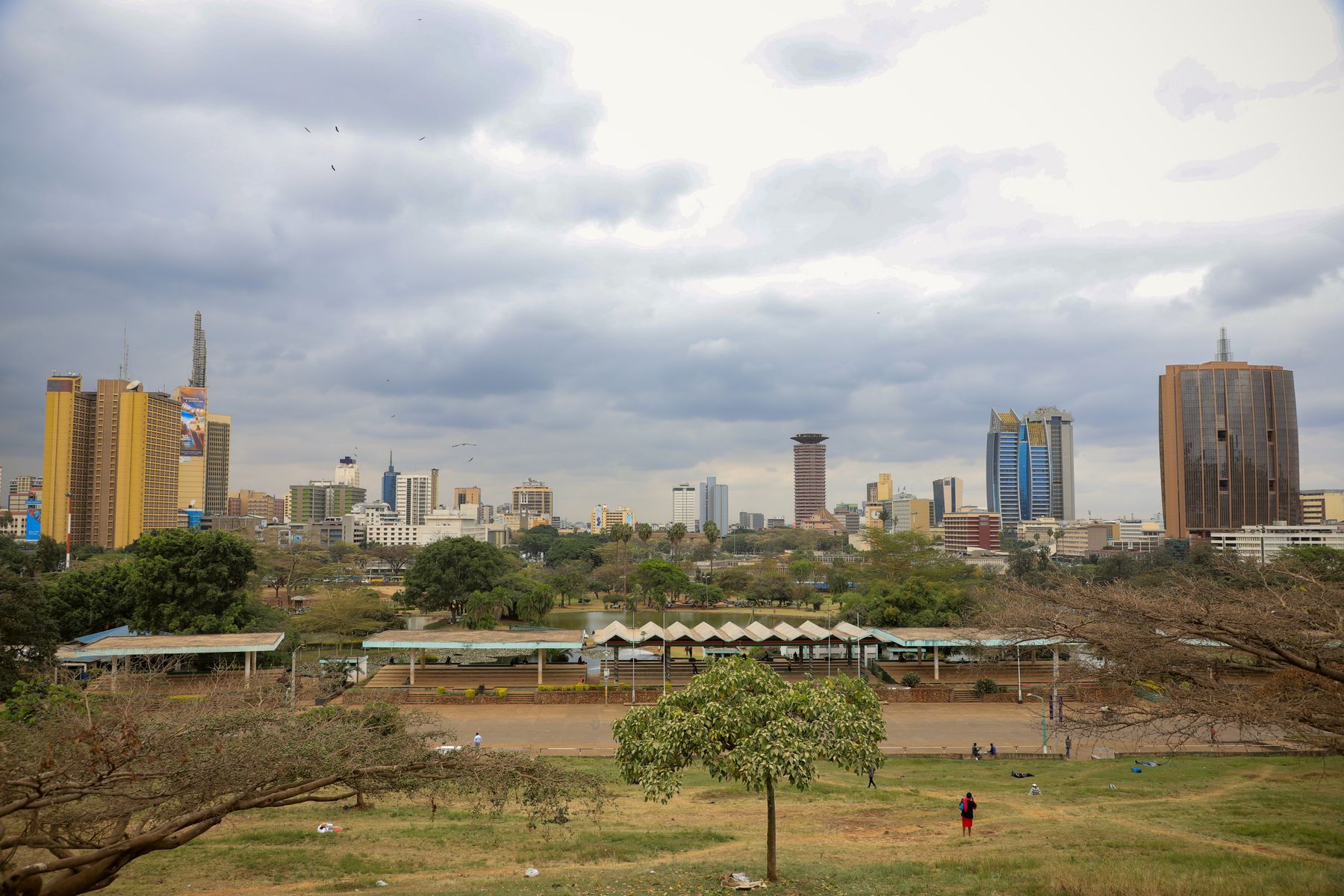
Muthaiga and Karura: The Forest Reservoir
Start at the Karura Forest main gate off Limuru Road, roughly 20 minutes from Westlands or Parklands outside the 7am to 9am crush on Waiyaki Way. The forest's reservoirs and river pools sit inside a paid, manned reserve with marked trails, so a morning walk here is the most reliable 'lake view' in the city. Entry bands run in the low hundreds of shillings for residents and a little more for visitors; carry cash or a card and expect a bag check. Weekday mornings are quietest, and the June to August dry season gives the firmest paths.
Book a hotel in Westlands, Parklands or Muthaiga if this is your priority. From Westlands, a taxi to the Limuru Road gate takes 15 to 25 minutes depending on Museum Hill traffic. Combine the forest with a late lunch in Muthaiga and you have a full, unhurried day. Skip the forest at weekends after 10am unless you enjoy sharing narrow trails; the car park fills and the waterfall path gets congested.
Nairobi Dam and the Southern Edge
Nairobi Dam, south of Langata Road near the Southlands and Nairobi Dam estate, is a working reservoir rather than a park. Views are from public roads and the dam wall area, not from a ticketed promenade. Go mid-morning on a weekday, drive Langata Road past Galleria and the Bomas turn-off, and treat it as a short stop of 30 to 45 minutes rather than a destination. The water level swings with the rains, so the shoreline you see in March is not the one you see in September.
Stay in Karen or Langata if you want this side of town within a short drive. Hotels around Karen Road and Ngong Road Forest put you 15 to 25 minutes from the dam and close to the Giraffe Centre and Sheldrick Wildlife Trust, which slot neatly into the same morning. I would not book a hotel solely for Nairobi Dam; the southern edge works best as part of a wider Langata day. Avoid the area after dark and avoid the afternoon school-run hours on Langata Road.
The Eastern Dams and a Half-Day Loop
East of the city, the Ruai and Njiru side holds reservoirs and treatment works fed by the Nairobi and Athi rivers. These are infrastructure, not visitor attractions, and there is no formal viewing point. The realistic plan is a drive out on Kangundo Road or Eastern Bypass to see the river landscape, then a proper stop at the Nairobi Safari Walk or the Oloolua Nature Trail in Karen on the way back. Drive times from the CBD run 30 to 50 minutes each way depending on the bypass.
For this loop, base yourself in Kilimani or Upper Hill, which put you on the Eastern Bypass quickly and keep you near good evening restaurants. I would book Kilimani over the CBD: easier parking, calmer streets and 20 minutes to both Karura and Langata Road. Skip Ruai as a leisure stop unless you have a specific reason to be there; the roads are rough after rain and there is little to see on foot.
When to Go and What to Skip
Nairobi's long rains fall around March to May and the short rains around October to December. Dam levels and trail conditions follow those patterns, so the dry months of January, February, June, July, August and September are the safest for a walking day. Mornings before 10am are cooler and clearer, and the light on the water is better. Carry water, wear closed shoes for Karura's red-clay paths, and keep a light rain shell from June to August.
Skip any plan built around a boat ride or lakeside restaurant; there is no such offer at these reservoirs, and anyone promising one should be treated with caution. Skip driving yourself to Karura on a Sunday if you can take a taxi. If you have two days, book Karura and Langata as separate mornings and keep the eastern drive optional. For a first Nairobi trip, I would book Westlands or Kilimani and treat the dams as add-ons, not the headline.
Questions, answered
Do I need a guide to visit Karura Forest's reservoirs?
No guide is required. The forest is ticketed at the gate, trails are marked, and staff can point you toward the waterfall and reservoir paths. A guide adds context on the trees and history but is optional.
Can you swim or boat at Nairobi Dam?
No. Nairobi Dam is a working reservoir with no public swimming, boating or lakeside facilities. Visitors view it from public roads and the dam wall area, and it is best treated as a brief stop on a Langata day.
Which Nairobi neighbourhood is best for a dam-focused trip?
Westlands or Parklands for Karura, Karen or Langata for the southern edge. Kilimani works as a middle base with quick access to both. I would book Westlands first for a short trip, Karen for a quieter stay.
Doing good is the business: every booking through Stay Nairobi funds one verified tonne of carbon removal — same room, same price, no markup.
Start your search