
Neighbourhood picks
Tipping and Small Payments in Nairobi: What Visitors Actually Hand Over
A practical guide to cash, tips and everyday small transactions in Nairobi, from Westlands hotel desks to matatu rides in the CBD.
Cash, Cards and M-Pesa on the Ground
Cards work at hotels, supermarkets and mid-range restaurants in Westlands, Kilimani and Karen, but a slim wallet of Kenyan shillings still solves most small moments: a parking attendant on Kimathi Street, a baggage porter at Nairobi Terminus, a roadside mango seller in Hurlingham. Withdraw from bank ATMs inside malls such as Sarit Centre, The Hub Karen or Two Rivers rather than standalone machines on the street, and take a mix of KSh 50, 100 and 200 notes. Airport exchange counters at JKIA are convenient but rarely generous; a bank branch in the CBD gives better rates if you have an hour to spare.
Mobile money is the local default, and visitors can now hold a Kenyan wallet through services set up for tourists, topped up from a card or at an agent kiosk. You do not need it to get by, but it helps for split bills and small transfers. Most Nairobi businesses quote prices in shillings and expect the figure stated; haggling belongs in curio markets such as Maasai Market at High Court parking on Saturdays, not in restaurants or hotel lobbies. Ask before a service is performed if you are unsure whether a charge is fixed or open.
Who Gets a Tip, and How Much
In restaurants and hotel dining rooms in Nairobi, a service charge of roughly ten percent often appears on the bill. Check the line before adding anything; if it is already there, rounding up a few hundred shillings is generous enough. If no service charge is printed, ten percent in cash is standard for good table service. Bars and cafes in Westlands or along Ngong Road usually leave it to your judgement, and a KSh 100 note on a KSh 1,500 round is fine. Hotel porters carrying bags to your room generally receive KSh 100 to 200 per trip, and housekeeping KSh 100 to 200 per night is appreciated, left under a note so it is clearly intended for the room staff.
Guides and drivers are the biggest variable. A half-day driver taking you to the Giraffe Centre, Karen Blixen Museum and Kazuri Beads in one loop might expect KSh 500 to 1,000 on top of the agreed fare, more if they wait hours at Nairobi National Park gates. Walking guides in the CBD or at the Nairobi Railway Museum are usually independent and rely on tips; KSh 500 to 1,000 for an hour or two is reasonable. Airport transfers arranged through your hotel often include a driver who will not ask, but a KSh 200 to 500 note is welcome. Skip tipping security guards and lift attendants; a friendly greeting is the norm.
Taxis, Matatus and the Airport Run
Ride-hailing apps cover most of Nairobi and show a fixed fare before you accept, which removes the tipping question almost entirely; many riders round up by KSh 50 or 100 for a driver who navigates heavy traffic well. Street taxis outside hotels and at Jomo Kenyatta International Airport quote openly, and you should agree the figure before the door closes. A run from JKIA to Westlands is a long, traffic-dependent journey on Mombasa Road and the Southern Bypass or via Enterprise Road, so allow well over an hour at rush hour and treat any quote as a negotiation, not a meter reading.
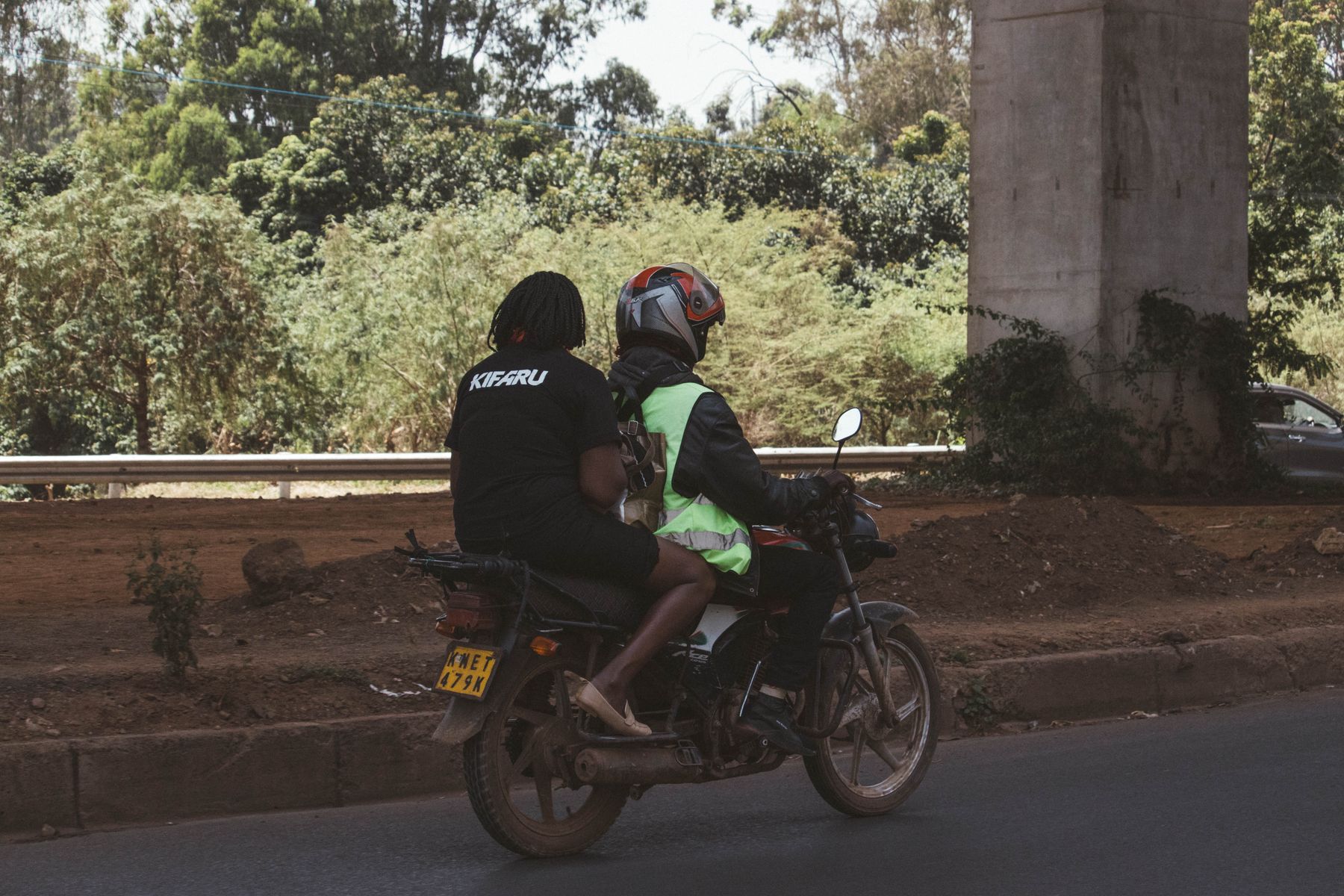
Matatus are the cheap, fast way along routes such as Ngong Road and Thika Road, with fares collected by a conductor who may not carry much change. Hand over something close to the fare and keep the rest. Boda bodas, the motorcycle taxis common around Kilimani and the CBD, are best arranged through an app or by your hotel so the price is clear. For the standard-gauge railway to Mombasa, porters at Nairobi Terminus in Syokimau help with luggage and appreciate KSh 100 to 200. Never hand your phone to a stranger to make a payment.
Small Extras That Catch People Out
Parking attendants in the CBD, at the Kencom area and around City Market frequently ask a small fee to watch your car; KSh 50 to 100 is normal and worth paying for the peace of mind. Public toilets in malls are usually free, but attendants at markets and bus stages expect KSh 20 to 50. Bag carriers at Gikomba or City Market will offer to help and then name a price; agree first or carry your own bag. Hotel laundry, minibar and room service are billed, not tipped, and a service charge is often included. If a hotel asks for a cash deposit for a key or towel, ask for a receipt.
At craft stalls in the Maasai Market, or along the walkways near the Bomas of Kenya, expect to negotiate and start at roughly half the opening figure, settling somewhere in between. Prices for carvings and beadwork vary widely by size. When you pay by card in a shop, the terminal may offer to add a gratuity; there is no obligation. Finally, keep small notes separate from larger ones so you are not fumbling in a crowded street. Which hotel you book matters less for tipping than its location: a Westlands or Upper Hill base puts you near most of these transactions.
Related articles
Questions, answered
Should I tip in Kenyan shillings or US dollars?
Shillings are far more useful to the people receiving them. Dollars can be awkward to change in small amounts. Withdraw KSh 50, 100 and 200 notes from a mall ATM and keep them for porters, housekeeping and parking.
Is a service charge always on the bill in Nairobi restaurants?
Often, but not always, and it is usually around ten percent. Check the printed total before adding a tip. If the charge is there, rounding up slightly is enough. If it is absent, ten percent in cash is standard.
How much should I tip a driver for a day trip around Nairobi?
KSh 500 to 1,000 is a sensible band for a half or full day, higher if the driver waits for hours at park gates or handles luggage. Ride-hailing fares already include the trip, so rounding up is optional.
Do I need mobile money to get around Nairobi?
No. Cards and cash cover hotels, restaurants and taxis. A Kenyan wallet helps for split bills and small transfers, and visitor-friendly options can be topped up from a card, but it is not essential for a short stay.
What should I pay a parking attendant in the city centre?
KSh 50 to 100 is the usual range around the CBD, Kencom and City Market. Hand it over as you leave. Ask for a receipt if the amount seems higher than that, and keep small notes ready.
Can I pay by card at the Maasai Market?
Rarely. Bring cash, expect to negotiate, and start around half the opening price. Mobile money is accepted by some sellers, but shillings settle things fastest, particularly on busy Saturday mornings at the High Court parking.
How much change should I carry for matatus and boda bodas?
Conductors and riders often carry limited change, so keep KSh 50 and 100 notes and coins. Pay close to the fare. Arrange boda boda trips through an app or your hotel so the price is agreed before you set off.
Is tipping expected at JKIA or Nairobi Terminus?
Porters and baggage handlers at both appreciate KSh 100 to 200. Airport transfer drivers arranged by a hotel usually do not ask, but a small note is welcome after a long Mombasa Road run in traffic.
Doing good is the business: every booking through Stay Nairobi funds one verified tonne of carbon removal — same room, same price, no markup.
Start your search