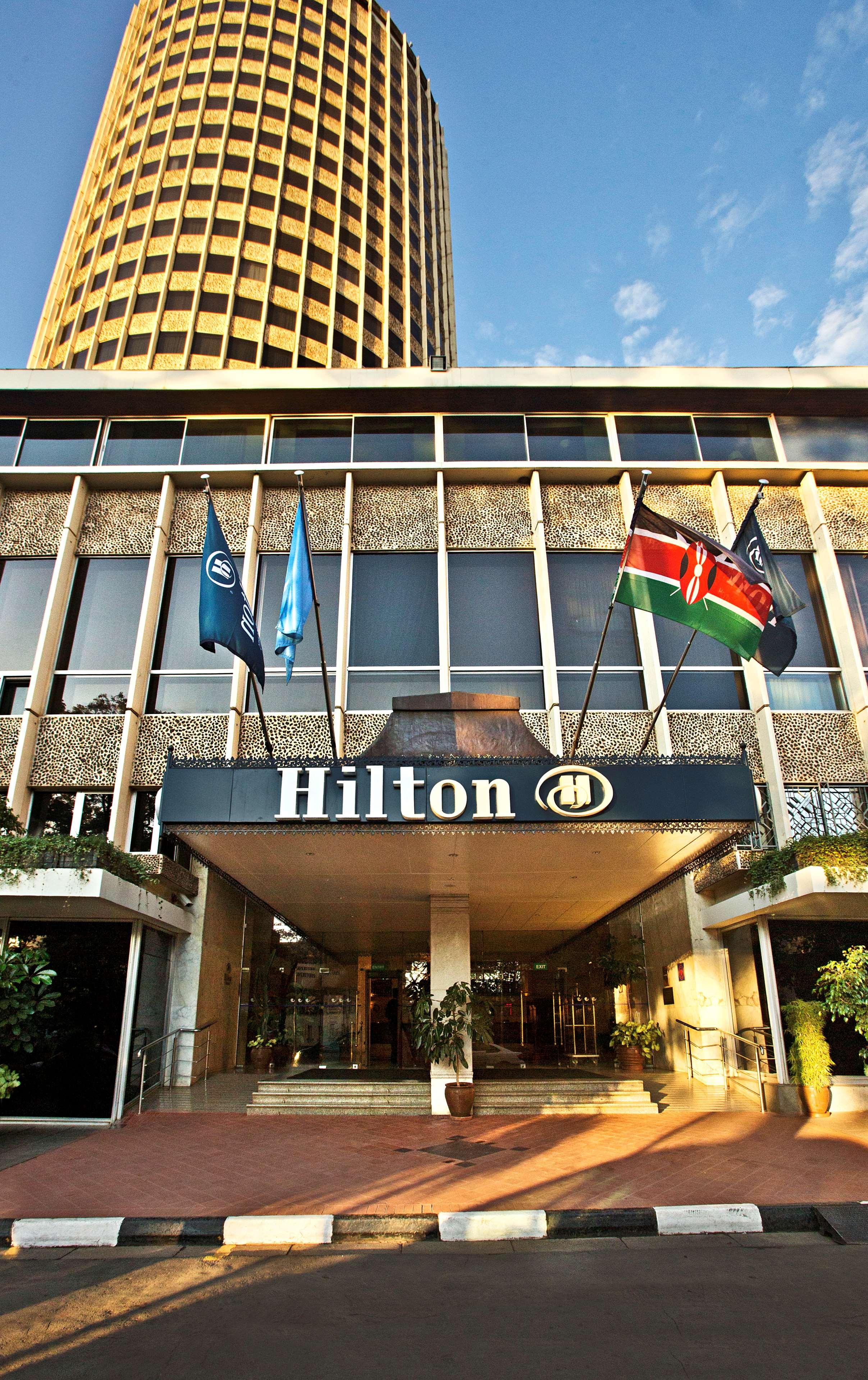
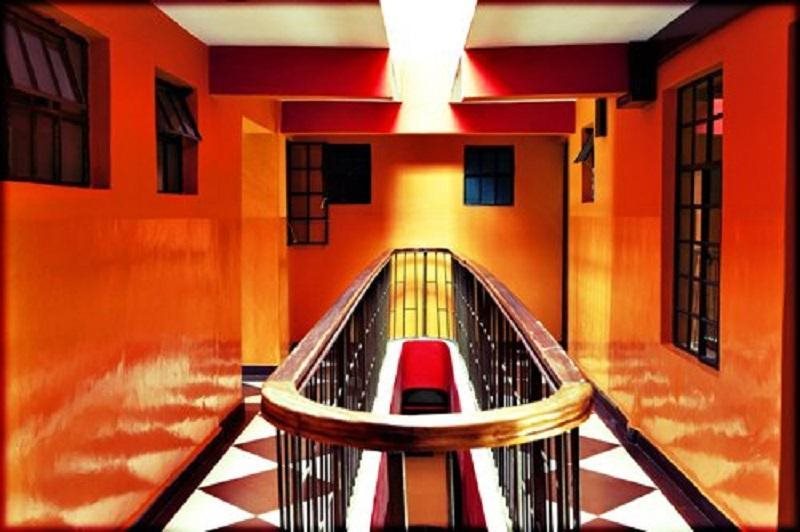
The Kenya National Archives occupies a colonnaded building on Moi Avenue in the heart of Nairobi's CBD, opposite the Hilton and beside the Ambassadeur. Downstairs and on the mezzanine is the gallery built around the collection of Joseph Murumbi, Kenya's second vice-president, who assembled one of the largest private holdings of African art, textiles, weapons, stamps and books on the continent. Portraits of Kenyan presidents, ceremonial regalia, carved doors, masks from West and Central Africa and dense cases of beadwork line the walls in an old-fashioned, crowded, wonderful way. The visit is short and unusually rewarding: you pay at a desk inside the entrance, sign the book, and a staff member usually walks you round, their commentary the difference between a room of masks and an hour of Kenyan political history. The ground floor holds the presidential portraits and ceremonial gifts, the Murumbi galleries carry the African art, and the mezzanine and upper landings are hung with historic photographs of Nairobi, of the railway, of the independence ceremonies.